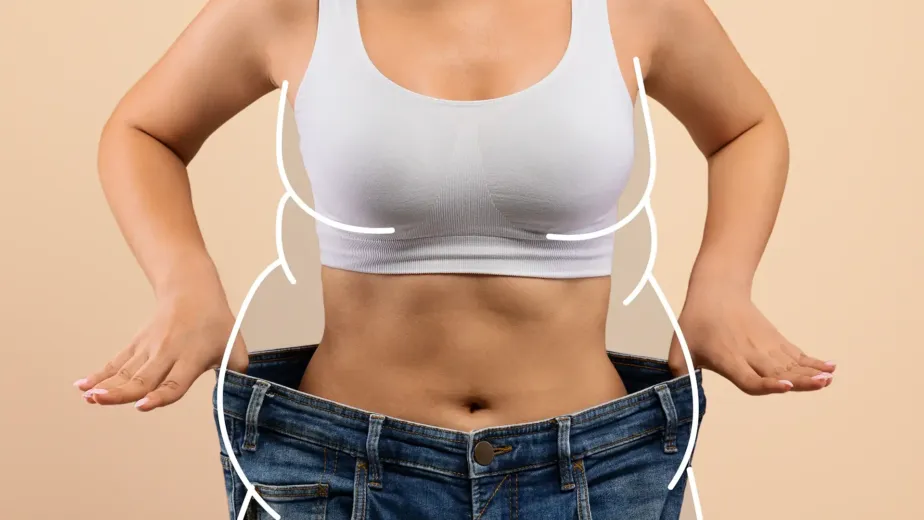

Gastric sleeve surgery, also known as sleeve gastrectomy, is one of the most commonly performed bariatric procedures for people living with obesity. During the operation, approximately 75–80% of the stomach is removed, leaving a smaller, sleeve-shaped stomach.
Stomach size limits
The reduced stomach size limits the amount of food that can be eaten at one time and also decreases the production of ghrelin, the hormone primarily responsible for stimulating hunger. As a result, many patients feel satisfied with smaller portions and find it easier to follow healthier eating habits.
Unlike gastric bypass surgery, the digestive tract is not rerouted during a gastric sleeve procedure. Food continues to pass through the stomach and intestines in the normal way, making the operation technically less complex while still providing effective long-term weight loss for suitable candidates.
Gastric sleeve surgery is not intended as a cosmetic procedure or a quick fix. It is a medically recognised treatment option that works best when combined with long-term lifestyle changes, including balanced nutrition, regular physical activity, and ongoing medical follow-up.
Before Surgery
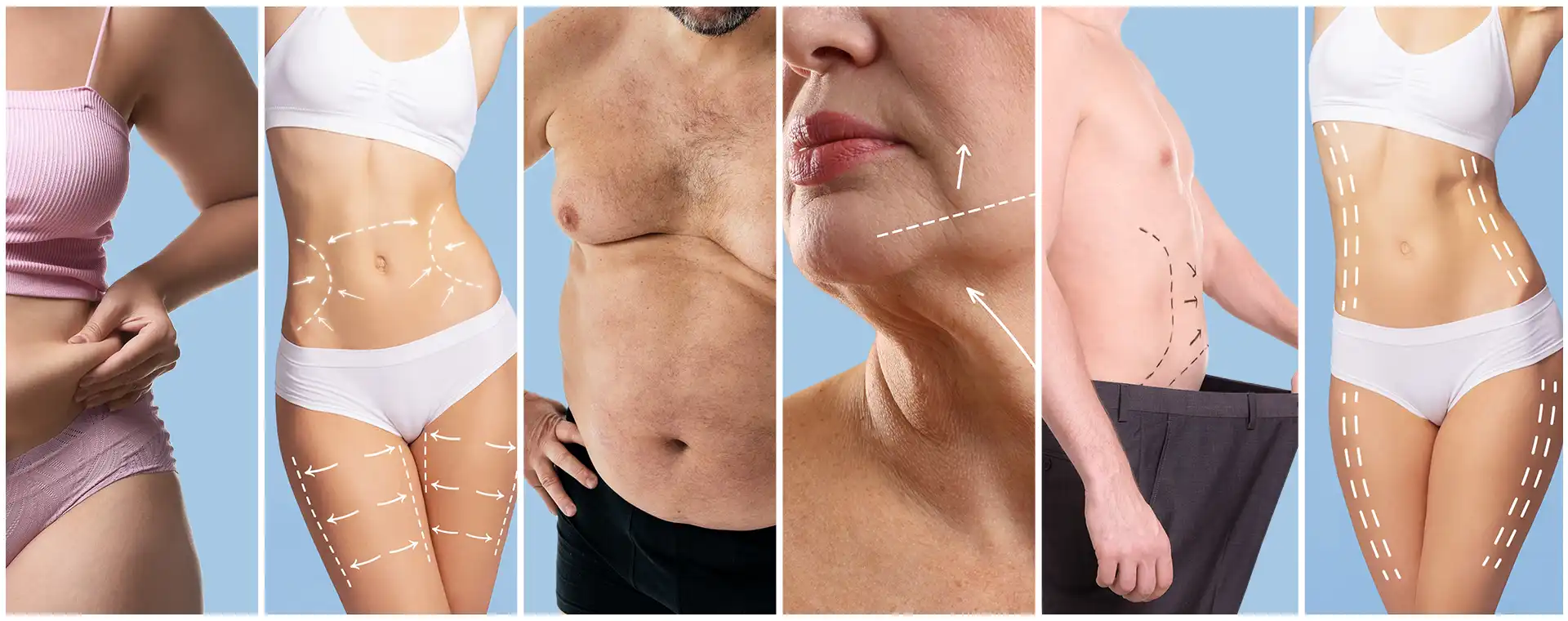
Before recommending surgery, specialists evaluate factors such as Body Mass Index (BMI), existing medical conditions, previous weight-loss attempts, and overall health to determine whether the procedure is appropriate for each individual. The goal is not only significant weight loss but also improving obesity-related conditions such as type 2 diabetes, high blood pressure, sleep apnoea, and joint pain while enhancing overall quality of life.